
8.30 – 9.15 Registration / coffee-tea
9.15 – 9.25 Welcome and introduction to the second day by Rosalie Metze (Main hall)

Mykola Khomitskyі MD, Ph.D. is Professor at the Department of psychiatry, psychotherapy and medical psychology of Zaporizhzhya State Medical and Pharmaceutical University in Ukraine. He is specialised in psychiatry, psychotherapy and child psychiatry.
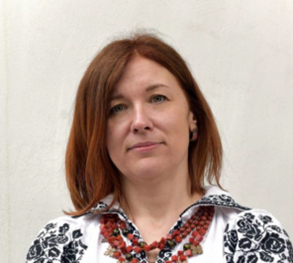
Nataliia Pidkaliuk is leading the institute of psychosomatic and traumatherapy (IPSI), a group of mental health care specialists working in the community, located in Khmelnytskyi, Ukraine. They have united for building services in the community for traumatized people. Trauma affects not only the person, but all who are nearby this person and how the person can function in society.
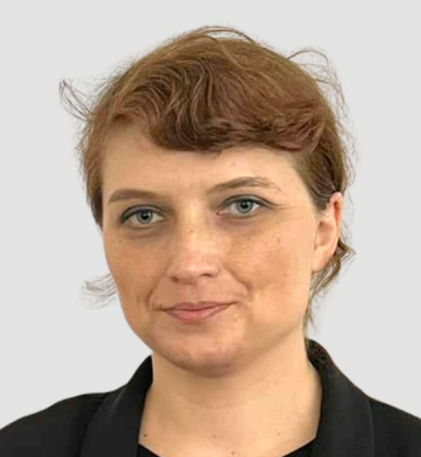
Olga Kalina is human rights activist in the mental health field. After being diagnosed with paranoid schizophrenia in 2005, she joined the non-governmental organization, Partnership for Equal Rights promoting rights of people with mental health problems. Since then, she has been involved in trainings, advocacy activities and projects related to human rights in the mental health sphere, as well as the introduction of peer support and recovery-based approaches in her homeland Georgia. These promising developments started in 2023 but are now seriously threatened by an unstable and restrictive policy environment. Olga’s presentation will examine the efforts of NGO’s and mental health services against the backdrop of harmful legal reforms and highlights the resulting risks to human rights and mental health in Georgia’s current context.
10.15 – 11.30 3rd round of parallel sessions
No pre-registration is needed for the workshops.
Mental health services are increasingly confronted with complex care needs, while teams themselves may experience instability due to factors such as staff turnover, sickness absence and high workload. In our organisation, we observed that teams who report difficulties in carrying complex caseloads are often teams that have themselves been under prolonged pressure. Traditional responses tend to focus on efficiency, protocols or individual resilience, yet these approaches do not always address the underlying dynamics within teams.
In this workshop, we explore how recovery-oriented thinking can be applied not only to individual service users, but also to professionals, teams and organisations themselves. We view the organisation as a dynamic system in which service users, staff members and teams are interconnected and continuously influence one another. From this perspective, recovery is not limited to the client level. Professionals, teams and organisations also go through processes of strain, disruption, learning and rebalancing. Central to this perspective is the use of experiential knowledge as a third source of knowledge alongside professional and scientific knowledge. In our organisation, involving experiential expertise at multiple organisational levels has enabled us to reframe persistent challenges, to ask different questions, and to experiment with alternative, recovery-oriented responses beyond traditional problem-solving approaches.
As a practical example, we present an ongoing pilot in which principles from evidence-based, methodical self-help approaches are translated to team level and combined with recovery-oriented principles from the CARe framework. In this short, practice-oriented module, teams explore what they need to stay in balance, how early signs of overload can be recognised collectively, and how shared responsibility for wellbeing can be strengthened. By working with a shared, communal language, the intervention not only offers practical tools, but also reinforces recovery thinking and the core values on which the organisation is built.
This pilot is not presented as a model to be replicated, but as an exploratory practice example. It may be particularly relevant for organisations and teams working in contexts where recovery-oriented practice and the structural use of experiential knowledge are still developing.
Rather than presenting a finished solution, this contribution invites reflection on recovery as an ongoing process. This applies not only to individuals, but also to teams and organisations. We aim to inspire participants, particularly in contexts where recovery-oriented practice and experiential knowledge are still emerging, to explore how recovery can become a guiding principle throughout the organisation.
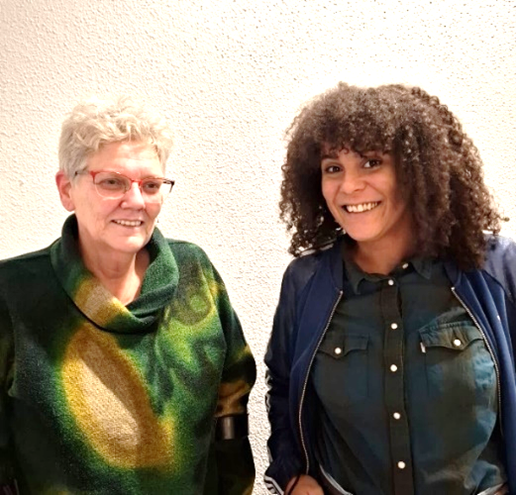
Michelle Flemming has been involved with Kwintes for nine years, first as a client, then as a volunteer, and for the past four years as a lived experience professional. Kwintes, a large service provider of assisted community living in The Netherlands. Her work focuses on peer support, with empowerment as a guiding principle. Driven by her passion for learning, she facilitates and develops workshops and courses that support personal growth and offer a safe space for reflection and self-discovery. With a background in music, she brings creativity into her work and values expressive and experiential forms of learning.
Annelies Hoefsloot has been working as a lived experience professional for over 25 years. She currently serves as Policy Advisor on Recovery-Oriented Care and Experiential Expertise at Kwintes, a large provider of assisted community living in The Netherlands. Her experiential knowledge informs both policy and daily practice. In her role as a recovery educator, she contributes to the training of colleagues in the CARe methodology. With a background in training and development, she also designs and develops educational programs for Kwintes professionals. At the core of her work is a deep and unconditional trust in the recovery capacity of every human being. She will conduct a workshop together with Michelle Flemming. Together, they advocate for the structural integration of lived experience within organizations and show how collaboration between professionals and experiential experts can strengthen recovery-oriented systems of care.
a) Adapting Recovery-Oriented Practices in Central Asia: The CARE Model in Kyrgyzstan (Aigul Alikanova and Begayim Borbieva)
Since 2019, CARE principles have been gradually introduced and adapted in Kyrgyzstan through local trainings, peer support initiatives, and awareness-raising efforts. As CARE ambassadors in the region, we have worked with mental health professionals, service users, and community organizations to promote person-centred and recovery-based approaches within a post-Soviet mental health system.
This presentation will share practical insights and lessons learned from implementing the CARe model in a culturally specific and resource-limited context. We will highlight key challenges, success stories, and the role of peer expertise in transforming services. The session aims to inspire cross-cultural dialogue and encourage international collaboration in building inclusive, trauma-informed, and hope-oriented mental health care—especially in regions where recovery is still a new concept.
Aigul Alikanova is psychologists and trainer, working at Recovery Kyrgyzstan.

Begayim Borbieva is a clinical psychologist with over 10 years of experience in mental health, trauma-informed care and psychosocial support. International trainer in mental health programs with expertise in school and community psychology, multidisciplinary teamwork, and capacity building for professionals working with vulnerable populations in Centra! Asia. She works as National Mental Health Trainer for the Ministry of Education of the Kyrgyz Republic. She is a member of the national trainer group on school mental health and conducts training for school psychologists and teachers on early identification, referral and support.
(b) Perspectives for Implementing the CARe Approach in Ukraine (Mykola Khomitsky and Natalia Pidkaliuk)
Mental health is presented as one of Ukraine’s most critical and long-term public health challenges, significantly intensified by the full-scale war and its widespread psychosocial impact. People living with severe mental illness and those affected by war-related psychological trauma face complex needs that extend far beyond clinical symptoms and require recovery-oriented, person-centred, and community-based support. In this presentation we will highlight the CARe approach as a relevant and practice-proven framework and outline key pathways for its adaptation and implementation in the Ukrainian context.
Mykola Khomitskyі MD, Ph.D. is Professor at the Department of psychiatry, psychotherapy and medical psychology of Zaporizhzhya State Medical and Pharmaceutical University in Ukraine. He is specialised in psychiatry, psychotherapy and child psychiatry.
Nataliia Pidkaliuk is leading the institute of psychosomatic and traumatherapy (IPSI), a group of mental health care specialists working in the community, located in Khmelnytskyi, Ukraine. They have united for building services in the community for traumatized people. Trauma affects not only the person, but all who are nearby this person and how the person can function in society.
(c) A Recovery Project Highlighting Experiential Knowledge and Dialogical Connection (Fahriye Oflaz and Gonca Polat)
This presentation shares the experience of İYİ Social Cooperative as a community-based good practice example in supporting people with psychiatric challenges in Turkey. It show how recovery can be nurtured through experiential knowledge, dialogue, peer connection, and participation in everyday social life. Grounded in a recovery-oriented and person-centred approach, the initiative was developed in response to the need for more humane, socially connected, and community-based forms of support in mental health. IYI social cooperative values lived experience as an important source of knowledge and aims to strengthen participants’ sense of agency, belonging, and connection. The presentation will introduce the initiative’s main principles, including experiential learning, peer support, mutual recognition, and shared meaning-making. It will also describe how these principles are reflected in practice through regular group meetings, story-sharing, creative and reflective activities, and community-based social participation. A central aspect of the experience is the effort to create safe spaces for dialogue while also encouraging gradual participation in public and cultural life. Examples from the cooperative’s activities will be shared, including indoor gatherings focused on recovery-related themes and outdoor activities designed to reconnect participants with community life through collective cultural and social experiences. The initiative’s motto, “Join Tea Talks on Saturdays — Create together & Enjoy together,” reflects its emphasis on togetherness, participation, and co-creation. The presentation will also reflect on the contributions of this experience, such as strengthened peer relationships, increased social participation, and the development of a more inclusive, community-based understanding of recovery. In this sense, the İYİ Social Cooperative model will be presented as a promising example of good practice from Istanbul may inspire similar community-oriented mental health initiatives in other settings.
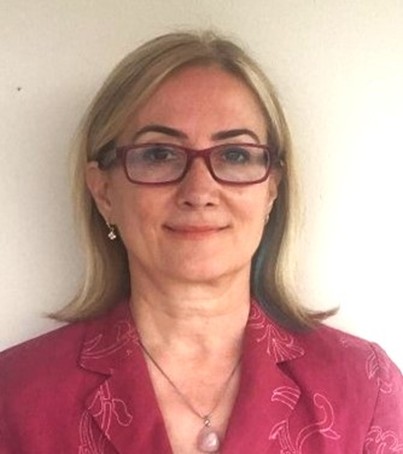
Prof. Dr. Fahriye Oflaz is a faculty member at Koç University School of Nursing, Türkiye, specializing in psychiatric and mental health nursing. She completed her PhD in Psychiatric Nursing at the School of Nursing of Gülhane Military Medical Academy (GATA) in 2001, with research focusing on coping with post-traumatic stress disorder using a nursing model. In 2003, she joined the Johns Hopkins University School of Nursing as a visiting postdoctoral researcher, where she worked for one year.
She previously served as Chair of the Department of Psychiatric Nursing at GATA School of Nursing from 2004 to 2010, and was promoted to Associate Professor in 2011. Throughout her academic career, she has received and delivered a wide range of national and international trainings on trauma, psychological support during disasters, and mental health care. In addition to her academic qualifications, she is trained as a Psychodrama Co-therapist and an EMDR therapist.
Her scholarly work focuses on traumatic stress, psychological first aid, care-related challenges in psychiatric inpatient settings, mental health recovery, therapeutic milieu practices, psychosocial difficulties experienced by patients and relatives, and therapeutic communication education and research. Her work reflects a strong commitment to improving both mental health nursing practice and education through evidence-informed, person-centred approaches.
More recently, Prof. Dr. Oflaz has expanded her work toward recovery-oriented, community-based, and socially inclusive models of mental health support. In particular, she has been exploring cooperative and participatory approaches that promote empowerment, meaningful daily life engagement, social connectedness, and community participation for individuals with mental health challenges. Her current interests include linking recovery principles with social solidarity, peer support, and cooperative structures in order to contribute to more humane, inclusive, and sustainable mental health systems.

Gonca Polat is an academic in social work. She is working as a faculty member at Ankara University, Turkey. She is teaching addiction, mental health, social work ethics and social work epistemology. Her academic and professional work focuses on themes of social justice, human rights and recovery.In her academic output, she incorporates social work theories and qualitative research aimed at addressing practices within a more equitable and transformative framework. She is also an active member of a social cooperative in the field of mental health in Turkey.
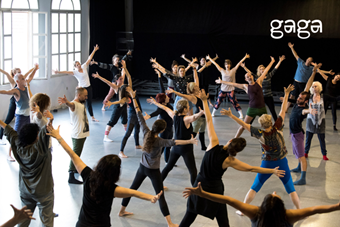
In Gaga we provide a framework for discovering and strengthening the body. Adding flexibility, stamina, agility, and skills including coordination and efficiency while stimulating the senses and the imagination. Participants awaken numb areas, increase their awareness of habits, and improve their efficiency of movement inside multilayered tasks. They are encouraged to connect to pleasure inside moments of effort. The research of Gaga is in a continual process of evolution, and the classes vary and develop accordingly. Participants enjoy the pleasure of movement in a welcoming, accepting atmosphere.
Gaga is open to all 16+ and available for anyone, without the necessity of previous experience. The session is aimed to experience Gaga class and dive deeper into the exploration of personal journey of reconnection with self. We will reflect on your experience and discuss how Gaga practice is connected with healing practice and recovery.
Important: For participation in this workshop participants should wear comfortable clothes and be prepared to dance barefoot or in socks. It is advisable to bring a bottle of water and a towel for use after class. Presence of observers and photographs are not allowed during the session.
“We connect to the sense of ‘plenty of time,’ especially when we move fast, we learn to love our sweat, we discover our passion to move and connect it to effort, we discover both the animal we are and the power of our imagination.” Ohad Naharin, www.gagapeople.com
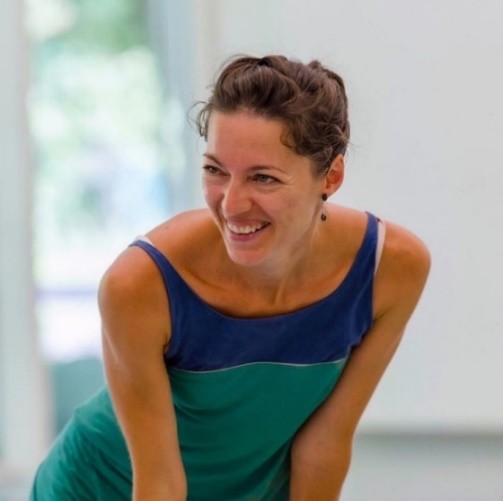
Nataša Novotná is a Czech dancer, choreographer, and lecturer. She began her career with the renowned Netherlands Dance Theatre in The Hague, engaging for almost a decade. Two seasons experiencing the Swedish Göteborgs Operan Ballet, collaborating and creating with world-leading choreographers. After her professional experience abroad, Nataša started her independent career. She co-founded the contemporary dance company 420 people in Prague, Czechia, where in the position of executive director, dancer, and choreographer for nearly another decade. She subsequently founded the Kylián Endowment Fund in Prague, focusing on dance education for young professionals. Nataša has been certified to teach Gaga, the movement language developed by Ohad Naharin in Israel. She systematically coaches the ballet company of the National Moravian-Silesian Theatre in Ostrava, Czech Republic, and collaborates internationally as a guest teacher. Nataša occasionally creates her original choreographic works. She has received several nominations for her stage performances. In Czechia, the prestigious Thalia Award and Dancer of the Year Award. Her choreography, The Strangler, was recognized by Czech critics.
The aim of the workshop is to initiate a discussion about dialogical practices as a way of being human. Following the principles of dialogical practice, intervision enables the exploration of topics raised by workshop participants. The facilitators will also discuss the values and key principles of some of the dialogic practices represented in the session.

Martin Cema Novak PhD
I was trained as a psychologist and therapist in Daseinsanalysis and later Open Dialogue. I am currently participating in supervision training in dialogical and co-creative practices. I have long been involved in community mental health care as a therapist, researcher, and lecturer. I worked at the Brno Mental Health Center and co-created an early support team that offers Open Dialogue based care to young people experiencing serious mental crises and their loved ones. Within doctoral studies in sociology, I focused on mental health care reform in the Czech Republic. I am also involved in supporting collectives striving for democratic self-organization and sustainable activism.

Dagmar Narusson PhD
I have trained in Open Dialogue in London and then in Estonia. I am currently continuing my studies as a trainer and supervisor in dialogical and co-creative practice. I am a sociologist by education. However, I have also studied social work and psychology. I work as a researcher and lecturer at the University of Tartu and lead a community research group. I work with families and networks in rehabilitation through the Open Dialogue Association. I am a member of the HOPEnDIALOGUE network of researchers. In my doctoral thesis, I also referred to open dialogue.
Both Martin and Dagmar participate in the trainer and supervisor qualification 3-year training in Dialogic and Co-Creative practice and Open Dialogue. They also both practice as Open Dialogue practitioners, supervisors and trainers. Dagmar is also integrating open dialogue principles in her practice as a CARe trainer.
11.30 – 12.00 coffee/tea/water break
12.00 – 13.00 Closing session with short presentations and reflections (Main hall)
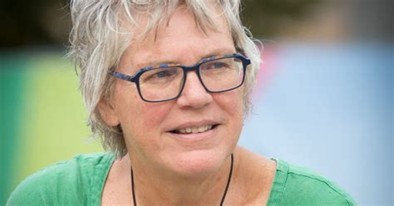
Alie Weerman is a psychologist and Professor of Mental Health Care and Society. She combines scientific knowledge, practical professional knowledge, and experiential knowledge, and primarily conducts participatory action research at the intersection of psychiatry and society. She establishes unconventional practical connections across formal systems, usually using artistic methods (art-based). At the professorship, the research focus lies on practical, ethical, and theoretical issues regarding the integration of mental health care into the social domain and the strengthening of experiential knowledge. Alie Weerman works closely with the people involved. She collaborates with creative, practical, and committed researchers, trainers, and artists. Some of the researchers are also experts by experience. She is the initiator of world’s first Master Programme Experiential Expertise at Windesheim University of Applied Sciences.
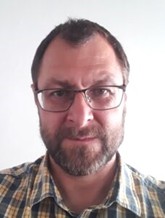
Pavel Říčan is director of the Centre for Mental Health Care Development in Prague and coordinator of The CARe Network. He will speak at the opening session of the conference, highlighting the
importance of the conference for the innovation of mental health care and international cooperation.
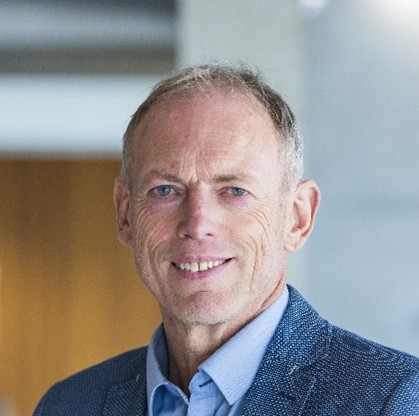
Jean Pierre Wilken is psychologist and social scientist. He is emeritus professor at Utrecht University of Applied Sciences, Netherlands and visiting professor at Tartu University, Estonia and Catholic University of Milan, Italy. His research focuses on psychosocial support and social inclusion of people in vulnerable positions, especially people with mental health issues. Specific areas of expertise are relational care, recovery, implementation of the UN-CRPD, experiential expertise and community development. He is chair of the international CARe Network for recovery and social inclusion.