KEYNOTE SPEAKERS
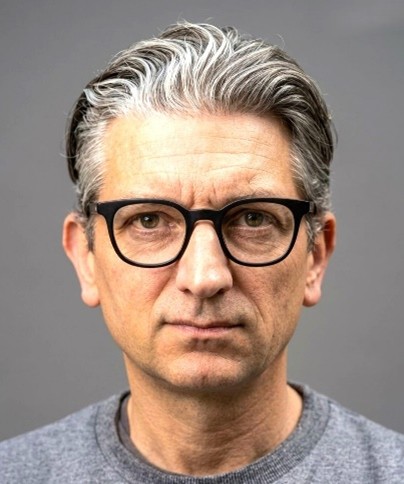
MIKE SLADE

We are happy to announce that one of our keynote speakers will be Mike Slade from the UK. Mike is one of the worlds leading scientists in the field of recovery. He is Professor of Mental Health Recovery and Social Inclusion at the University of Nottingham. His main research interests are recovery-focused and outcome-focused mental health services, including Recovery Colleges and lived experience narratives. The title of his lecture will be Recovery as transformation: culturally-informed approaches to meeting local challenges.
Michal Kašpar
Michal Kašpar is a passionate defender of mutual support among people with special experiences who often receive psychiatric diagnoses. He studied journalism and later was trained as a peer specialist. He has been systematically educating himself in collaborative and dialogical practice. Michal is used to telling life stories, both through his songs and in his peer work. He currently works as a recovery guide at the Recovery House in Prague. He was involved in the creation of the peer YouTube channel Studio 27 and several self-help groups, especially the GPS group. At the conference, he will speak about sharing experiences in horizontal, non-hierarchical groups.

OLGA KALINA

Olga Kalina is a well-known human rights activist in the mental health field. After being diagnosed with paranoid schizophrenia in 2005, she joined the non-governmental organization, Partnership for Equal Rights promoting rights of people with mental health problems. Since then, she has been involved in trainings, advocacy activities and projects related to human rights in the mental health sphere, as well as the introduction of peer support and recovery-based approaches in her homeland Georgia. These promising developments started in 2023 but are now seriously threatened by an unstable and restrictive policy environment. Olga’s
presentation will examine the efforts of NGO’s and mental health services against the backdrop of harmful legal reforms and highlights the resulting risks to human rights and mental health in Georgia’s current context.
JEAN PIERRE WILKEN
Jean Pierre Wilken is psychologist and social scientist. He is emeritus professor at University of Applied Sciences Utrecht, Netherlands and visiting professor at Tartu University, Estonia.
His research focuses on psychosocial support and social inclusion of people in vulnerable positions, especially people with mental health issues. Specific areas of expertise are relational care, recovery, implementation of the UN-CRPD, experiential expertise and community development. Jean Pierre Wilken is chair of the CARe Network for recovery and social inclusion.
Jean Pierre will speak at the closing session of the conference, bringing together different themes that were the subject of presentations and workshops. He will argue that recovery is an ongoing process of reconnection, based on the value of human life. Personal recovery processes of people with complex psychological and social challenges benefit from a whole person and whole system approach, focussing on all aspects of quality of life that are important for the person’s well-being. We are on a journey that is often not easy, but together we can succeed.

NATALIIA PIDKALIUK & MYKOLA KHOMITSKYІ

Nataliia Pidkaliuk is leading the institute of psychosomatic and traumatherapy (IPSI), a group of
mental health care specialists working in the community, located in Khmelnytskyi, Ukraine. We
have united for building services in our community for traumatized people. Trauma affects not only
the person, but all who are nearby this person and how the person can function in society.
Mykola Khomitskyі is Professor of the Department of Psychiatry, Psychotherapy and Medical
Psychology at Zaporizhzhya State Medical and Pharmaceutical University.
Nataliia and Mykola will share the current situation in Ukraine and describe the perspectives for
Implementing the CARe Approach in Ukraine. The implementation of the CARe approach in Ukraine
offers a strategic opportunity to modernize the mental health and psychosocial support system in
line with international best practices and human rights standards. First, Ukraine has already initiated
mental health reforms aimed at deinstitutionalization and the development of community-based
services. The CARe approach aligns well with these reforms, providing a concrete methodology for
translating policy goals into everyday practice.
Second, the large-scale psychosocial impact of war has increased awareness among policymakers,
professionals, and wider community of the importance of mental health and recovery-oriented care.
This creates a window of opportunity for introducing new approaches that emphasize long-term
well-being rather than short-term crisis management.
Third, Ukraine is beginning to develop a strong and active civil society, including non-governmental
organizations, peer initiatives, and volunteer networks. We believe and hope that these emerging
actors could play a crucial role in adapting and promoting the CARe approach at the community level.
SIMONA KARBOUNIARIS
Simona Karbouniaris PhD is Professor of Mental Health Care at Leiden University of Applied Sciences,
Netherlands, where she leads the research group Mental Health Care in close collaboration with
Mental Health Service provider GGZ Rivierduinen. Her work focuses on recovery-oriented, trauma-
sensitive and network-based mental health care, with a strong emphasis on proximity, relational
safety and the meaningful integration of experiential knowledge in practice, education and research.
Trained as a social scientist and drawing on her own lived experience, Karbouniaris has spent more
than two decades working at the intersection of mental health practice, higher education and
practice-based research. She is actively involved in national and international research
collaborations, including European projects on youth mental health and resilience.
Professor Karbouniaris will introduce proximity-based, trauma-sensitive care as a guiding practice for
the transformation of mental health services. Grounded in recovery-oriented and trauma-informed
perspectives, we she argues that mental health cannot be understood or addressed outside of
relational, social, and existential contexts. Drawing on practice-based research, lived experience, and
interdisciplinary collaboration, the lecture positions trauma not merely as a past event but as an
ongoing, relational phenomenon that can be reactivated within care systems themselves. Entrance
barriers, discontinuity of care, protocol-driven practices, and power asymmetries risk reproducing
experiences of helplessness, dependency, and epistemic injustice. Trauma-sensitive care therefore
requires more than specific interventions: it calls for a professional stance characterized by relational
safety, sensitivity, reflexivity, and shared decision-making. Central to this vision is the role of
experiential knowledge—both of service users and of professionals with lived experience—as a vital
and complementary source of knowledge alongside scientific and professional expertise.

PAVEL ŘÍČAN

Pavel Říčan is director of the Centre for Mental Health Care Development in Prague and coordinator
of The CARe Network. He will speak at the opening session of the conference, highlighting the
importance of the conference for the innovation of mental health care and international
cooperation.
Alie Weerman
Dr. Alie Weerman is a psychologist and Professor of Mental Health Care and Society. She combines scientific knowledge, practical professional knowledge, and experiential knowledge, and primarily conducts participatory action research at the intersection of psychiatry and society. She establishes unconventional practical connections across formal systems, usually using artistic methods (art-based). At the professorship, the research focus lies on practical, ethical, and theoretical issues regarding the integration of mental health care into the social domain and the strengthening of experiential knowledge. Alie Weerman works closely with the people involved. She collaborates with creative, practical, and committed researchers, trainers, and artists. Some of the researchers are also experts by experience. She is the initiator of world’s first Master Programme Experiential Expertise at Windesheim University of Applied Sciences.
In the closing session of the conference, Alie Weerman will give her vision about the value of lived experiences and the future of experiential knowledge.
CONFERENCE CONTRIBUTORS
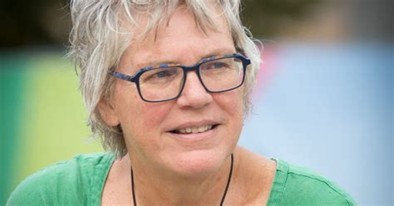
Aigul Alikanova is psychologist and trainer, working at Recovery Kyrgyzstan.
Alie Weerman is a psychologist and Professor of Mental Health Care and Society. She combines scientific knowledge, practical professional knowledge, and experiential knowledge, and primarily conducts participatory action research at the intersection of psychiatry and society. She establishes unconventional practical connections across formal systems, usually using artistic methods (art-based). At the professorship, the research focus lies on practical, ethical, and theoretical issues regarding the integration of mental health care into the social domain and the strengthening of experiential knowledge. Alie Weerman works closely with the people involved. She collaborates with creative, practical, and committed researchers, trainers, and artists. Some of the researchers are also experts by experience. She is the initiator of world’s first Master Programme Experiential Expertise at Windesheim University of Applied Sciences.
Annelies Hoefsloot has been working as a lived experience professional for over 25 years. She currently serves as Policy Advisor on Recovery-Oriented Care and Experiential Expertise at Kwintes, a large provider of assisted community living in The Netherlands. Her experiential knowledge informs both policy and daily practice. In her role as a recovery educator, she contributes to the training of colleagues in the CARe methodology. With a background in training and development, she also designs and develops educational programs for Kwintes professionals. At the core of her work is a deep and unconditional trust in the recovery capacity of every human being. She will conduct a workshop together with Michelle Flemming. Together, they advocate for the structural integration of lived experience within organizations and show how collaboration between professionals and experiential experts can strengthen recovery-oriented systems of care.


Begayim Borbieva is a clinical psychologist with over 10 years of experience in mental health, trauma-informed care and psychosocial support. International trainer in mental health programs with expertise in school and community psychology, multidisciplinary teamwork, and capacity building for professionals working with vulnerable populations in Centra! Asia. She works as National Mental Health Trainer for the Ministry of Education of the Kyrgyz Republic. She is a member of the national trainer group on school mental health and conducts training for school psychologists and teachers on early identification, referral and support.
Chalotte Glintborg is Associate Professor of Rehabilitation Psychology, and Research Manager, at Aalborg University, Denmark. With a background in psychology and extensive experience in mental health rehabilitation, she was among the key figures behind the implementation of recovery-oriented rehabilitation in social psychiatry and vulnerable adult services in Aarhus Municipality, where she also served as a certified CARe instructor from 2007. Her research has centred on developing recovery-oriented rehabilitation as a field in Denmark across disabilities and has employed a variety of qualitative, quantitative, and mixed methods approaches in her work.
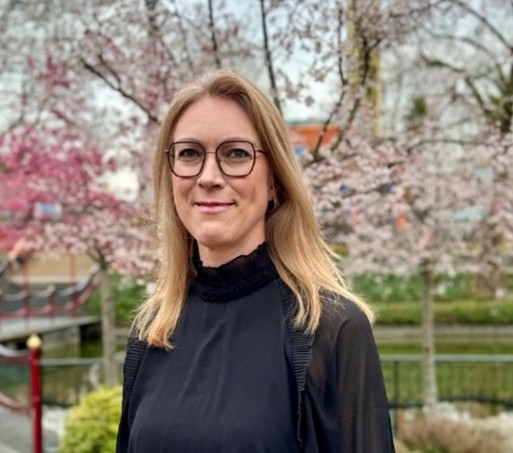
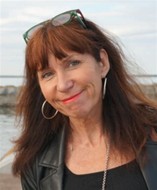
Cecilia Heule is a researcher and a teacher at Lund University, Sweden. Within the so-called Mobilisation courses, she and colleagues have developed gap-mending strategies and pedagogy since 2005. In 2011 she initiated the international network PowerUs. Her research focuses on gap-mending principles, service user inclusion, experiential knowledge and co-production.
Colin Cameron is a disabled activist academic. He is an assistant professor at Northumbria University, Newcastle upon Tyne, UK, where he teaches sociology and philosophy on the BA (Hons) Guidance and Counselling degree and supervises PhD projects in Disability Studies. He has had many articles and chapters published about the affirmation model and a few about the gap mending approach. He is a director of Shaping Our Lives (the UK national campaigning network of service users), an executive editor of the international journal Disability & Society, a member of the PowerUs network, and an ambassador for Outside In (the Outsider artists’ organisation), He is a Stuckist artist who has had absurd paintings exhibited at the Royal Academy, and the lyricist/vocalist in a not very successful Whitley Bay punk band. He co-authored several chapters in the Routledge Handbook of Service User Involvement.
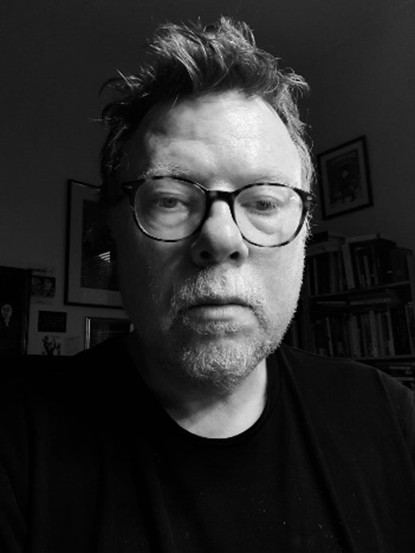
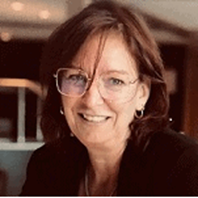
Daantje Daniels holds a master’s degree in social work and works as Director of Care and Quality at Jan Arends, a care institution active within the social domain. Daantje Daniels specializes in working with a complex target group struggling with extensive and usually chronic issues across multiple life domains, including addiction. She worked in addiction care for over 20 years as a socio-therapist, treatment provider, quality supervisor, and care manager. In addition to her work as director, Daantje is active as a senior researcher and is affiliated with the Mental Health and Society Research Group. The Mental Health and Society Research Group conducts practice-based research into the connection between mental health care and society. They do this primarily through participatory action and design research in collaboration with local and regional stakeholders. In this context, experiential knowledge serves as a fully-fledged source of knowledge, alongside scientific and professional sources.
Daantje Daniels is also active as a supervisor in healthcare and is a trained expert by experience. Her experiential knowledge is rooted in trauma and addiction. She explicitly incorporates her expertise based on her experience into all her work. In addition, she is a member of the advisory board of the national Association of Experts by Experience. She gives lectures, conducts workshops, and writes articles. In her work, Daantje focuses primarily on themes surrounding equality, substantive improvements within care and welfare, recovery-oriented care, and the use of expertise by experience.
Dagmar Narusson PhD was trained in Open Dialogue in London and then in Estonia. She is currently continuing her studies as a trainer and supervisor in dialogical and co-creative practice. She is a sociologist by education. However, she has also studied social work and psychology. She works as a researcher and lecturer at the University of Tartu and leads a community research group. She works with families and networks in rehabilitation through the Open Dialogue Association. She is a member of the HOPEnDIALOGUE network of researchers. In her doctoral thesis, she also referred to open dialogue.


Dirk den Hollander is grandfather, fireplace guitarist, pensioner (72), co-developer CARe approach, social pedagogue, co developer Recovery Angels and Recovery Learning Centre Nei Skoen Helmond, Netherlands
Fahriye Oflaz is a faculty member at Koç University School of Nursing, Türkiye, specializing in psychiatric and mental health nursing. She completed her PhD in Psychiatric Nursing at the School of Nursing of Gülhane Military Medical Academy (GATA) in 2001, with research focusing on coping with post-traumatic stress disorder using a nursing model. In 2003, she joined the Johns Hopkins University School of Nursing as a visiting postdoctoral researcher, where she worked for one year. She previously served as Chair of the Department of Psychiatric Nursing at GATA School of Nursing from 2004 to 2010, and was promoted to Associate Professor in 2011. Throughout her academic career, she has received and delivered a wide range of national and international trainings on trauma, psychological support during disasters, and mental health care. In addition to her academic qualifications, she is trained as a Psychodrama Co-therapist and an EMDR therapist. Her scholarly work focuses on traumatic stress, psychological first aid, care-related challenges in psychiatric inpatient settings, mental health recovery, therapeutic milieu practices, psychosocial difficulties experienced by patients and relatives, and therapeutic communication education and research. Her work reflects a strong commitment to improving both mental health nursing practice and education through evidence-informed, person-centred approaches. More recently, Prof. Dr. Oflaz has expanded her work toward recovery-oriented, community-based, and socially inclusive models of mental health support. In particular, she has been exploring cooperative and participatory approaches that promote empowerment, meaningful daily life engagement, social connectedness, and community participation for individuals with mental health challenges. Her current interests include linking recovery principles with social solidarity, peer support, and cooperative structures in order to contribute to more humane, inclusive, and sustainable mental health systems.
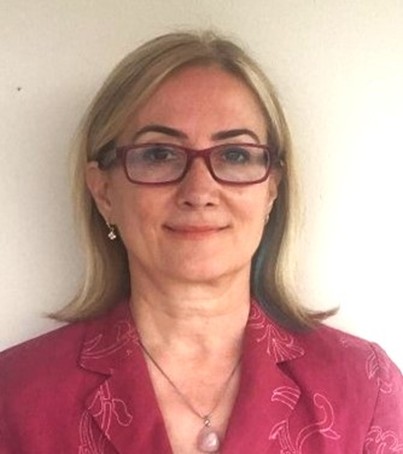
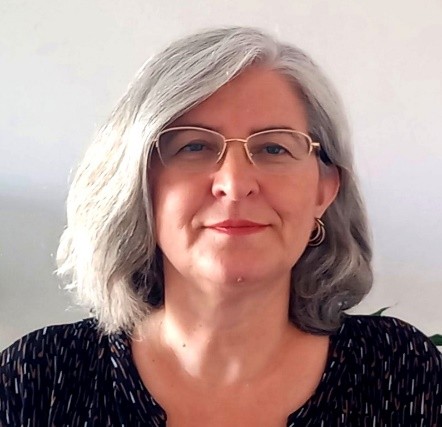
Fatma Zengin is a psychological counsellor (MA) and disability rights advocate. She completed her undergraduate and graduate studies at Bogaziçi University, Department of Guidance and Psychological Counselling. She worked as a project coordinator, consultant, training specialist and program developer in Mother Child Education Foundation, Human Rights in Mental Health Association and World Health Organization projects. She has worked as a psychological counsellor in public and private schools. She gave lectures on community psychology, group and individual counselling, and ethics at private universities. She has translated several books in the field of psychotherapy and education. In 2011, 2015 and 2017, she contributed to the draft mental health law works conducted with various professional and rights organizations. She is an individual member of the European Mental Health Network (Mental Health Europe) for 9 years. Since 2013, she has been conducting individual and group counselling in the centre she founded in Istanbul. She is also a founding member and head of the Social Cooperative fora Human Life (IYI).
Helen Casey is Associate Head of School for Social Work at The Open University (OU). As a social worker, Helen worked mostly with adults with learning disabilities, seeking to establish the innovative support people wanted in the community. As an educator Helen is committed to co-producing the social work curriculum with those with lived experiences of discrimination and oppression. Helen introduced mend the Gap into social work in Northeast England in 2014 and is an international co-ordinator with PowerUs
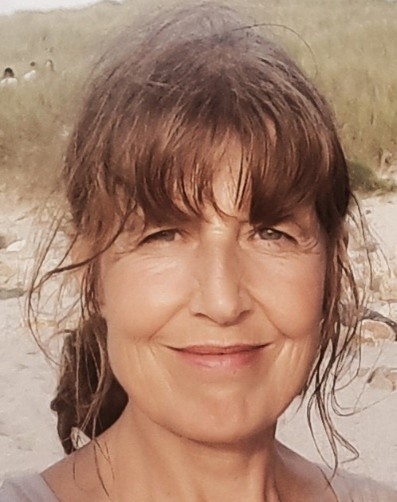

Jacquelin Zents isHead Trainer of the CARe Model at the RINO Group, a national post-graduate training centre. She leads a large team of CARe trainers. Annually, hundreds of professionals and experts-by-experience are trained in the CARe methodology in The Netherlands and Flandres, as well as CARe coaches and CARe trainers. She is also a mindfulness trainer and coach.
Jean Pierre Wilken is psychologist and social scientist. He is emeritus professor at University of Applied Sciences Utrecht, Netherlands and visiting professor at Tartu University, Estonia and Catholic University of Milan, Italy. His research focuses on psychosocial support and social inclusion of people in vulnerable positions, especially people with mental health issues. Specific areas of expertise are relational care, recovery, implementation of the UN-CRPD, experiential expertise and community development. He is chair of the international CARe Network for recovery and social inclusion.
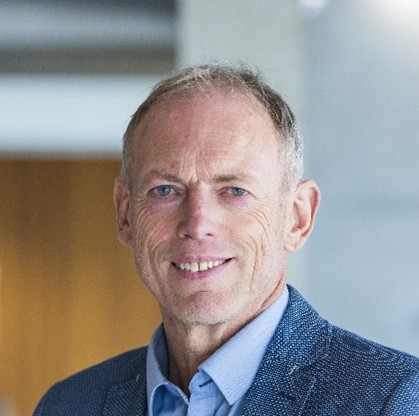
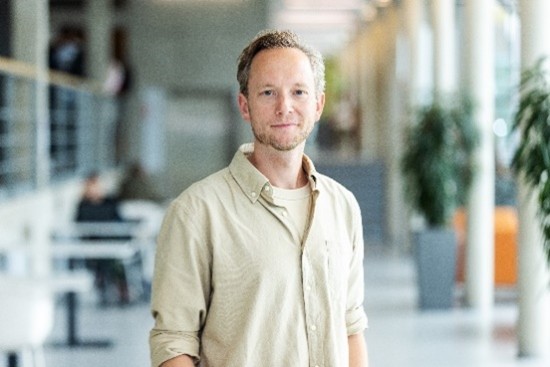
Joep Binkhorst is a researcher at the Knowledge Centre for Social Innovation at Utrecht University of Applied Sciences. His research focuses on improving (integrated) collaboration within the social domain between professionals, between organizations, and in partnership with local government. As a PhD candidate, he investigates how public service providers can collaborate more effectively to support individuals with a vulnerable position in the labour market in finding and maintaining employment. A specific part of his research focuses on people with severe mental vulnerability, exploring the underlying mechanisms that help them move towards paid work or other meaningful forms of participation as a way to support their recovery.
Jurry Smit is tall, dad, sporty, almost 50, expert by experience, social work, health psychologist (in training). Together with Dirk den Hollander (on the photo on the left) and Nicole Jacobs he is one of the initiators of the Recovery Angels in The Netherlands.

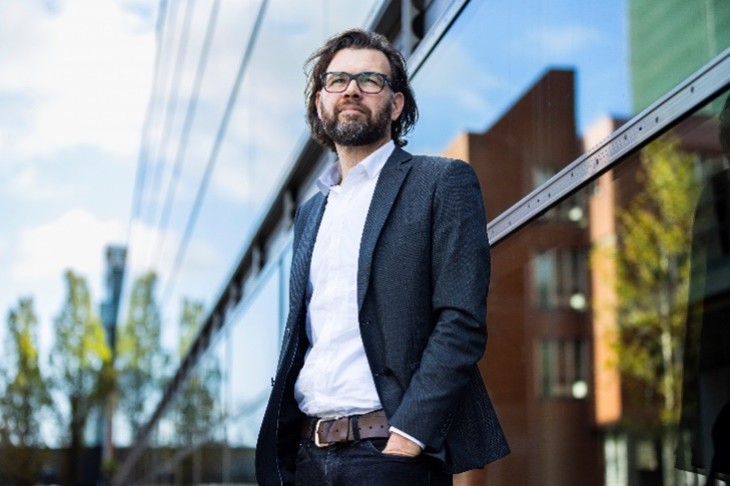
Leendert de Bell is professor for sustainable labour participation of vulnerable groups, in particular refugees, at HU University of Applied Sciences Utrecht, and is academic staff member at the Centre for Entrepreneurship at Utrecht University. His research focuses on issues related to inclusive employment, social entrepreneurship, and international migration.
Martin Cema Novak PhD was trained as a psychologist and therapist in Daseinsanalysis and later Open Dialogue. He is currently participating in supervision training in dialogical and co-creative practices. He has been involved in community mental health care as a therapist, researcher, and lecturer. He worked at the Brno Mental Health Centre and co-created an early support team that offers Open Dialogue based care to young people experiencing serious mental crises and their loved ones. Within doctoral studies in sociology, he focused on mental health care reform in the Czech Republic. He is also involved in supporting collectives striving for democratic self-organization and sustainable activism.

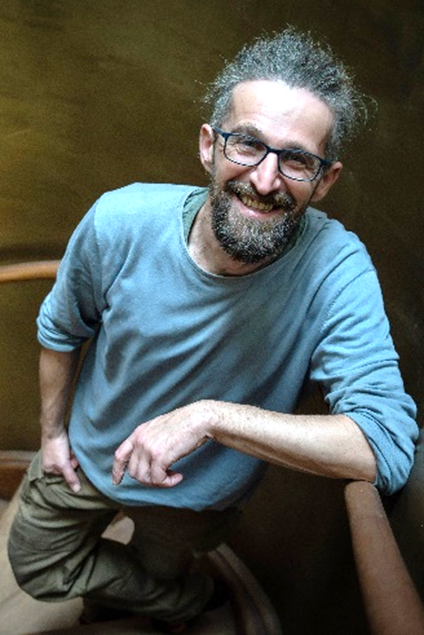
Martin Halíř is a clinical psychologist. After finishing his master’s degree studies in Psychology, he started his career as a clinical psychologist at the Psychiatric Clinic of Faculty Hospital. He went through all the wards and got the state certification in the subject Clinical Psychology and successfully finished his training in Gestalt Psychotherapy. In 2005, he became a member of the management of a local NGO providing social services in the mental health area. Being a project manager, step director, and director responsible for the services he accompanied the growth of the organization, which exceeded two regions and reached more than 100 employees, and started to provide health services. Nowadays, he works in a FACT team again as a psychologist. During his career, he acted as a teacher of Medical Psychology at the University, a lecturer of many courses with the topics of psychotherapeutic approach in different services and management, mainly value-driven management and self-organizing approaches.
Michal Kašpar is a passionate defender of mutual support among people with special experiences who often receive psychiatric diagnoses. He studied journalism and later was trained as a peer specialist. He has been systematically educating himself in collaborative and dialogical practice. Michal is used to telling life stories, both through his songs and in his peer work. He currently works as a recovery guide at the Recovery House in Prague. He was involved in the creation of the peer YouTube channel Studio 27 and several self-help groups, especially the GPS group. At the conference, he will speak about sharing experiences in horizontal, non-hierarchical groups.
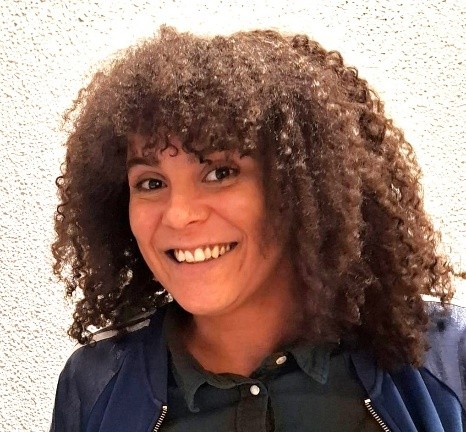
Michelle Flemming has been involved with Kwintes for nine years, first as a client, then as a volunteer, and for the past four years as a lived experience professional. Kwintes, a large service provider of assisted community living in The Netherlands. Her work focuses on peer support, with empowerment as a guiding principle. Driven by her passion for learning, she facilitates and develops workshops and courses that support personal growth and offer a safe space for reflection and self-discovery. With a background in music, she brings creativity into her work and values expressive and experiential forms of learning.
Mike Slade is Professor of Mental Health Recovery and Social Inclusion at the University of Nottingham, United Kingdom. Mike is one of the worlds leading scientists in the field of recovery research. His main research interests are recovery-focused and outcome-focused mental health services, including Recovery Colleges and lived experience narratives. The title of his lecture will be Recovery as transformation: culturally informed approaches to meeting local challenges.

Mykola Khomitskyі MD, Ph.D. is Professor at the Department of psychiatry, psychotherapy and medical psychology of Zaporizhzhya State Medical and Pharmaceutical University in Ukraine. He is specialised in psychiatry, psychotherapy and child psychiatry.
Nataliia Pidkaliuk is leading the institute of psychosomatic and traumatherapy (IPSI), a group of mental health care specialists working in the community, located in Khmelnytskyi, Ukraine. They have united for building services in the community for traumatized people. Trauma affects not only the person, but all who are nearby this person and how the person can function in society.
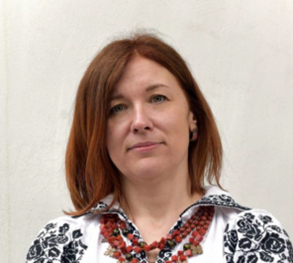
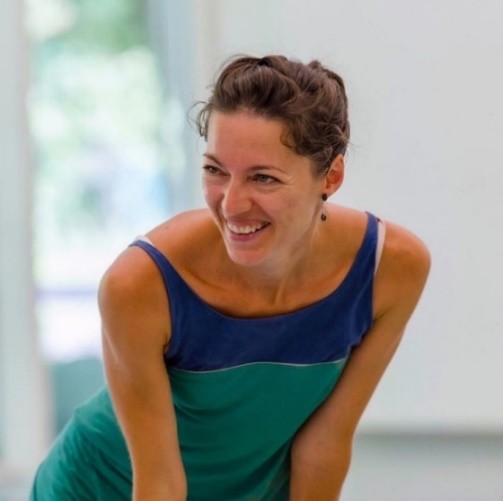
Nataša Novotná is a Czech dancer, choreographer, and lecturer. She began her career with the renowned Netherlands Dance Theatre in The Hague, engaging for almost a decade. Two seasons experiencing the Swedish Göteborgs Operan Ballet, collaborating and creating with world-leading choreographers. After her professional experience abroad, Nataša started her independent career. She co-founded the contemporary dance company 420 people in Prague, Czechia, where in the position of executive director, dancer, and choreographer for nearly another decade. She subsequently founded the Kylián Endowment Fund in Prague, focusing on dance education for young professionals. Nataša has been certified to teach Gaga, the movement language developed by Ohad Naharin in Israel. She systematically coaches the ballet company of the National Moravian-Silesian Theatre in Ostrava, Czech Republic, and collaborates internationally as a guest teacher. Nataša occasionally creates her original choreographic works. She has received several nominations for her stage performances. In Czechia, the prestigious Thalia Award and Dancer of the Year Award. Her choreography, The Strangler, was recognized by Czech critics.
Nicole Jacobs is a happy biker girl (42), proud pet owner, funny and colourful, expert by experience (associate degree), co-developer Recovery Angels in The Netherlands.
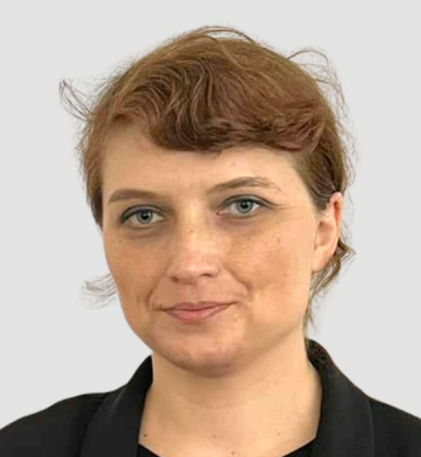
Olga Kalina is human rights activist in the mental health field. After being diagnosed with paranoid schizophrenia in 2005, she joined the non-governmental organization, Partnership for Equal Rights promoting rights of people with mental health problems. Since then, she has been involved in trainings, advocacy activities and projects related to human rights in the mental health sphere, as well as the introduction of peer support and recovery-based approaches in her homeland Georgia. These promising developments started in 2023 but are now seriously threatened by an unstable and restrictive policy environment. Olga’s presentation will examine the efforts of NGO’s and mental health services against the backdrop of harmful legal reforms and highlights the resulting risks to human rights and mental health in Georgia’s current context.
Pavel Říčan is director of the Centre for Mental Health Care Development in Prague and coordinator of The CARe Network. He will speak at the opening session of the conference, highlighting the
importance of the conference for the innovation of mental health care and international cooperation.
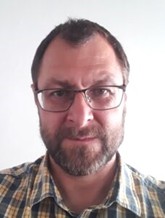

Rosalie Metze works as Associate Professor Mental Health & Wellbeing at Windesheim University of Applied Sciences in The Netherlands. She has a background in social work and sociology. In her career she has focused on topics such as inclusion, experiential knowledge and expertise, recovery-oriented care, mental health care, and the social work domain. The research group Mental Health & Wellbeing mainly works according to the principles of Participatory Action Research (PAR) and arts-based research. In our research we always strive to include ‘silent voices’ and work towards epistemic justice.
Ramunė Klumbytė-Abromaitienė is an occupational therapist in the field of mental health at Vilnius City Mental Health Centre, Lithuania. In her practice, she facilitates textile workshops and bibliotherapy sessions aimed at supporting self-awareness, emotional expression, and recovery-oriented processes. Her work integrates individual support and group-based creative practices.
She is a member of the Lithuanian Bibliotherapy Association and leads a book club, bringing together literature, dialogue, and reflective practice.
Alongside her professional work, she enjoys exploring creative methods, handicrafts, reading, spending time in nature, and traveling.
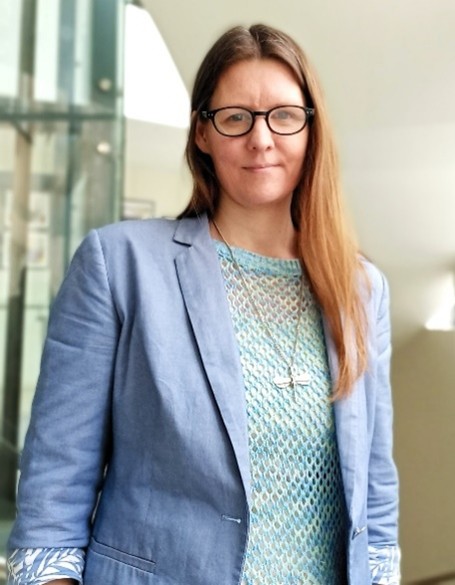

Simona Karbouniaris PhD is Professor of Mental Health Care at Leiden University of Applied Sciences,
Netherlands, where she leads the research group Mental Health Care in close collaboration with
Mental Health Service provider GGZ Rivierduinen. Her work focuses on recovery-oriented, trauma-
sensitive and network-based mental health care, with a strong emphasis on proximity, relational
safety and the meaningful integration of experiential knowledge in practice, education and research.
Trained as a social scientist and drawing on her own lived experience, Karbouniaris has spent more than two decades working at the intersection of mental health practice, higher education and practice-based research. She is actively involved in national and international research collaborations, including European projects on youth mental health and resilience.
Wim Haeck is a community mental health worker in Ghent, Belgium, active in the neighbourhoods of Sint-Amandsberg. With more than 30 years of experience in mental health care, he has worked extensively with people living with psychosis and complex vulnerabilities, focusing on recovery-oriented and community-based support. His work centres on building connections between residents, care providers, and local organizations to strengthen inclusion, resilience, and mental wellbeing in the community.